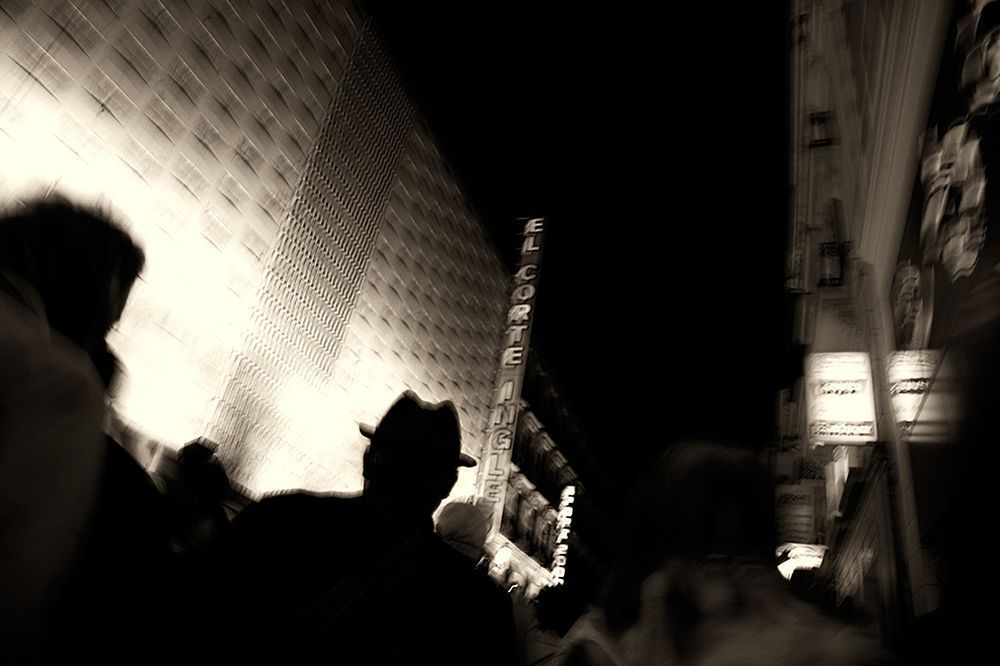
Madrid’s streets have witnessed centuries of transformation, from its Moorish origins to becoming the capital of Spain in the 16th century under Philip II. The city flourished during the Habsburg and Bourbon dynasties, leaving behind grand plazas, ornate palaces, and majestic boulevards. Today, its nocturnal beauty reflects both the elegance of its past and the vibrant pulse of its present, making every evening stroll a journey through history.
Madrid’s Paseo del Prado, one of the oldest boulevards in the city, is a living testament to Spain’s rich cultural heritage. Built in the 16th century and later transformed under Charles III in the 18th century, this grand promenade became the heart of Madrid’s intellectual and artistic life. It houses world-renowned institutions like the Prado Museum, Thyssen-Bornemisza Museum, and the Reina Sofía Museum, making it a UNESCO World Heritage Site. The boulevard was originally conceived as a place of leisure for nobility, lined with fountains and gardens that still define its charm today.
Meanwhile, El Corte Inglés, Spain’s largest and most iconic department store, represents a different side of Madrid’s history. Founded in 1940, it evolved from a small tailor shop into a retail empire, mirroring Spain’s economic and social growth. The store played a crucial role in modernizing Spanish commerce, introducing international brands and luxury shopping to Madrid. Today, its flagship locations, such as the one near Puerta del Sol and Castellana, stand as symbols of Madrid’s transformation into a global metropolis, blending tradition with modern consumer culture.
A nighttime stroll through Paseo del Prado, passing the grandeur of historic buildings and the contemporary glow of El Corte Inglés, is a journey through centuries of Madrid’s evolution—from imperial splendor to a modern European capital.