What Makes a Fine Art Travel Photograph Worth Buying?
Aug 05, 2026
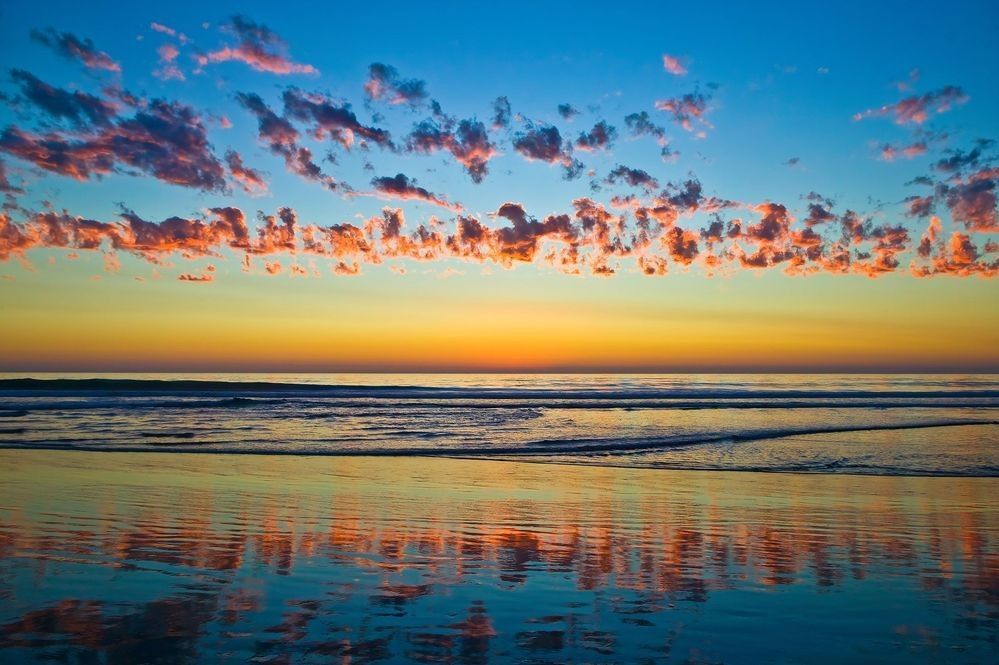
A fine art travel photograph is worth buying when it does more than show what a place looks like. It transports you—back to somewhere you have been, forward to somewhere you hope to visit, or simply away from everyday life for a moment.
A beach scene might recall a favorite journey, inspire thoughts of a destination yet to be discovered, or bring a sense of calm into the room. For someone else, that connection may come from an aspen grove, a mountain landscape, a foreign city, or an architectural detail. The subject can be almost anything. What matters is whether the photograph creates a response strong enough that you want to live with it.
Quality art is not an inexpensive impulse purchase for most people. It may occupy a prominent place in a home or business, where it will be seen every day for years. To be worth that investment, a photograph usually needs to hold significance beyond simple attraction.
The Photograph Should Create an Emotional Connection
There is no universal standard that determines whether a photograph qualifies as art. What makes it meaningful, or what qualifies, is ultimately determined by the viewer. Almost any image can become significant to someone if it creates the right emotional response.
That response may come from:
- Memory of somewhere you have visited
- Desire to experience a destination someday
- Connection to your hometown or a familiar landscape
- Sense of calm, freedom, adventure, or escape
- Appreciation for another culture or environment
- Personal interpretation the photographer may never have anticipated
I have seen people respond strongly to photographs of places they know well, but they can also connect with images of destinations they have never visited. One buyer may want a photograph because it brings back a particular memory. Another may simply appreciate how the image makes them feel.
This connection can be especially powerful when the artwork depicts somewhere the buyer has visited. The experience of travel is fleeting. You may spend months anticipating a trip, experience the destination for a short time, and then return to everyday life.
A photograph can give that experience a much longer life.
When an image captures a place in a distinctive way—perhaps more successfully than the traveler could—it can bring back the atmosphere, emotions, and memories of being there. It does not have to reproduce the destination exactly as the buyer remembers it. An unusual interpretation may make it even more meaningful by revealing something familiar in a new way.
For many buyers, the ability to revisit that experience is what makes a piece of travel photography worth owning. The trip ends, but the artwork remains as a visual connection to it.

Technical Quality Still Matters
As a professional photographer, I find it almost impossible to look at photography without critiquing it. It may happen in the background, but I initially notice the lighting, composition, color, perspective, and overall execution.
If the photograph succeeds technically, I then begin looking more deeply at the subject and the photographer’s interpretation of it.
Most art buyers may not examine an image in quite the same way, but they often recognize quality even if they cannot explain precisely why one photograph feels more successful than another. Thoughtful composition guides the eye. Beautiful light creates atmosphere. Strong technique allows the colors, details, and tonal range to hold up when the image is printed at a substantial size.
Technical excellence alone, however, does not make a photograph worth owning. A perfectly exposed and composed image can still feel generic. Technique provides the foundation, but the photographer’s point of view gives the work its identity.
A Distinctive Perspective Makes an Image More Valuable
One of the most useful questions a buyer can ask is whether an image is generic or genuinely distinctive.
This is not about whether it is part of a limited edition. It is about the perspective itself.
Popular destinations are photographed thousands—or millions—of times. There is nothing wrong with buying a classic view of a familiar place, particularly when it has personal meaning. But when many photographers offer similar versions of the same scene, the buyer has plenty of choices. It makes sense to compare the images, print quality, presentation, and prices before making a decision.
A different kind of value emerges when a photographer shows you something you have never seen before. It could be an unusual location, unexpected light, a fleeting moment, or simply an interpretation that feels completely original.
When an image speaks to you, and you cannot find another version of the subject quite like it, there may not be a meaningful substitute. You are not simply buying a photograph of a mountain, beach, or city. You are buying that photographer’s particular way of seeing it.
A Familiar Colorado Landscape From an Unfamiliar Viewpoint
I have a panoramic photograph of a Colorado mountain range that has been especially popular among friends who live there. Part of the connection is familiarity. They know the landscape, and it has personal significance to them.
The photograph also presents that familiar place from a perspective most people would not see on their own. Reaching the location required about an hour and a half of driving up a mountain in four-wheel drive, timed to photograph the scene around sunset.

The effort required to create an image does not automatically make the result valuable. A difficult journey can still produce an ordinary picture. In this case, however, the journey offered an uncommon perspective.
The people who own the photograph recognize the mountain range, but they are seeing it in a way they probably could not—or would not—experience themselves. It reminds them of a place that matters while showing them something they did not capture on their own.
That combination of familiarity and discovery can be especially powerful in fine art travel photography.
Does the Story Behind the Photograph Matter?
Some buyers want to know everything about an image. They want to know where it was created, what was happening, how the photographer found the location, and what was involved in making the photograph.
Others respond entirely to the finished image and the feeling it gives them.
Neither approach is wrong.
A good story can deepen someone’s appreciation for a photograph, particularly when it explains an unusual perspective or fleeting moment. It may also help buyers understand why the image looks different from other photographs of the same destination. Perhaps the photographer reached a difficult location, returned repeatedly for the right conditions, or recognized a composition most people would have walked past.
But a fascinating adventure does not make someone want to look at an unremarkable photograph every day. The image must create the initial connection. The story can then give the buyer another reason to appreciate it.
The Photographer’s Experience and Reputation Can Add Value
Knowing something about the photographer can influence how a piece is perceived. Experience, point of view, reputation, and gallery representation can all give a buyer greater confidence in the work.
Established photographers naturally command more attention and higher prices. Their name becomes part of what a collector is purchasing. This can make it difficult for less-established artists whose work may be exceptional but whose reputation is still developing.
With travel photography, buyers may appreciate some context about both the photographer and the image. It helps to know that the work comes from genuine travel experience and represents a considered point of view rather than merely documenting a place.
For most private buyers, however, reputation is secondary to the experience of seeing the photograph. Unless the work is being purchased primarily as a collectible or investment, it still needs to be something the buyer genuinely wants to live with.
Print Quality and Presentation Change the Experience
There is a substantial difference between viewing a photograph on a screen, receiving an unframed print, and seeing the same image produced at a large scale and beautifully finished.
Print quality, size, materials, and presentation all influence whether a photograph feels like a complete piece of art.
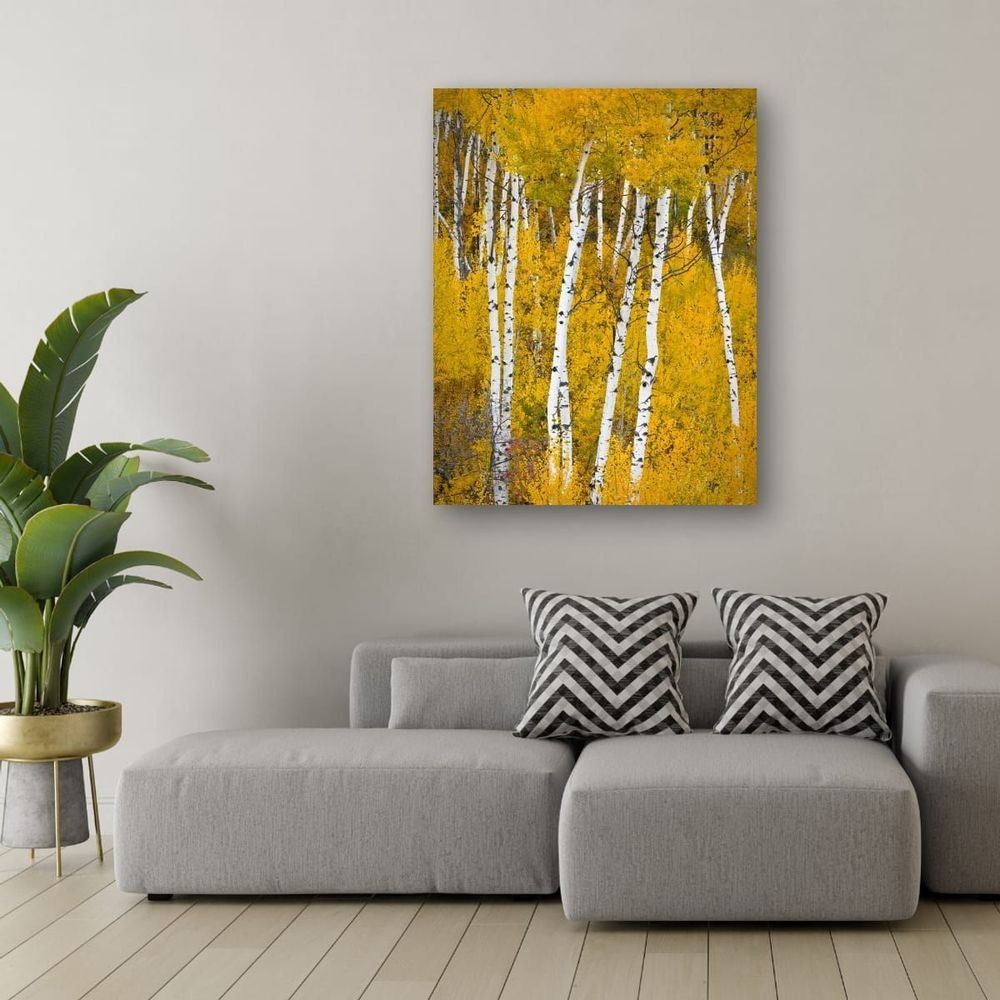
A large, ready-to-hang metal print can have considerably more presence than the same photograph viewed as a small, unframed paper print. A thoughtfully chosen frame can also give an image greater presence and help it become part of the space. Excellent production preserves the color, detail, depth, and tonal range that made the photograph compelling in the first place.
Presentation also affects the practical side of the purchase.
An unframed print leaves the buyer with another project. They still need to select a frame, choose the materials, pay for the framing, transport the finished piece, and install it. Professional framing is rarely inexpensive, and the print may remain stored away while the buyer decides what to do with it.
Ready-to-hang artwork removes most of that uncertainty. The buyer only needs to choose the right wall and hang it. That convenience adds real value because the photograph arrives as a finished piece rather than another item on a to-do list.
Consumers and Professional Art Buyers Shop Differently
There is no single correct way to choose artwork, but the process is often very different for a homeowner than for an interior designer, hotel, or commercial property.
A consumer may encounter an image, fall in love with it, and then decide where it belongs. The emotional connection comes first, and the placement comes later.
That is generally how I buy art. When I travel, I like to purchase work from local artists. Most of what I have collected has been paintings, and I rarely begin by asking whether a particular piece will match a room at home.
I buy it because it takes me back to the place where I found it. I remember the destination, meeting the artist, and the experience surrounding the purchase. The artwork becomes part of my memory of the trip. I can find a place for it later.
A professional buyer usually begins with the space. An interior designer, hotel representative, or commercial art buyer may already know:
- Required dimensions
- Room color palette
- Desired subject or mood
- Interior design style
- Preferred print materials
- Available budget
- Installation requirements
The photograph still needs to be compelling, but it must also solve a design problem and serve a specific purpose within the space.
For a private buyer, personal meaning may matter more than whether the colors perfectly match the furniture. For a professional buyer, the artwork generally needs to provide both visual impact and practical compatibility.
Limited Editions and Open Editions Serve Different Buyers
A limited-edition photograph should command a higher price because the photographer has restricted the number of copies produced. The potential sales life of the image is deliberately limited, and its price should reflect that scarcity.
Some collectors and high-end buyers prefer limited editions because they want something relatively few other people can own. Exclusivity may be an important part of their decision.
Other buyers care much more about the photograph than its edition number. They want an image that speaks to them personally or works beautifully in a professional setting, and they may prefer a more accessible open-edition print.
Limited editions affect scarcity and market value, but they do not automatically make the underlying photograph more meaningful. An open-edition image can still have tremendous personal significance to its owner.
How to Decide Whether a Photograph Is Worth the Price
If you love a photograph but are hesitating over the price, begin by asking how replaceable it is.
If the image is attractive but similar work is available from many photographers, take your time. Compare the options and consider:
- Strength of your response to the image
- Size and materials offered
- Printing and fabrication quality
- Framed, mounted, or ready-to-hang presentation
- Open-edition or limited-edition availability
- Total cost, including framing and installation
- Suitability for the intended location
When I travel, I often look at a piece several times before buying it, particularly when several artists offer comparable work. Eventually, I tend to return to the one I liked most from the beginning.
The decision changes when the work feels genuinely unique.
While traveling in Cambodia, I encountered a piece that was so different from anything else I had seen that I bought it immediately. I did not need to compare it with several alternatives because there were none. The artist’s perspective made that particular work feel irreplaceable.
If a photograph creates a strong connection and shows its subject in a way you have never seen anywhere else, it may be worth acting on that response. Another photograph of the same destination may not give you the same experience.
Buy the Photograph You Want to Live With
A fine art travel photograph does not need to impress everyone. It needs to continue meaning something to the person who owns it.
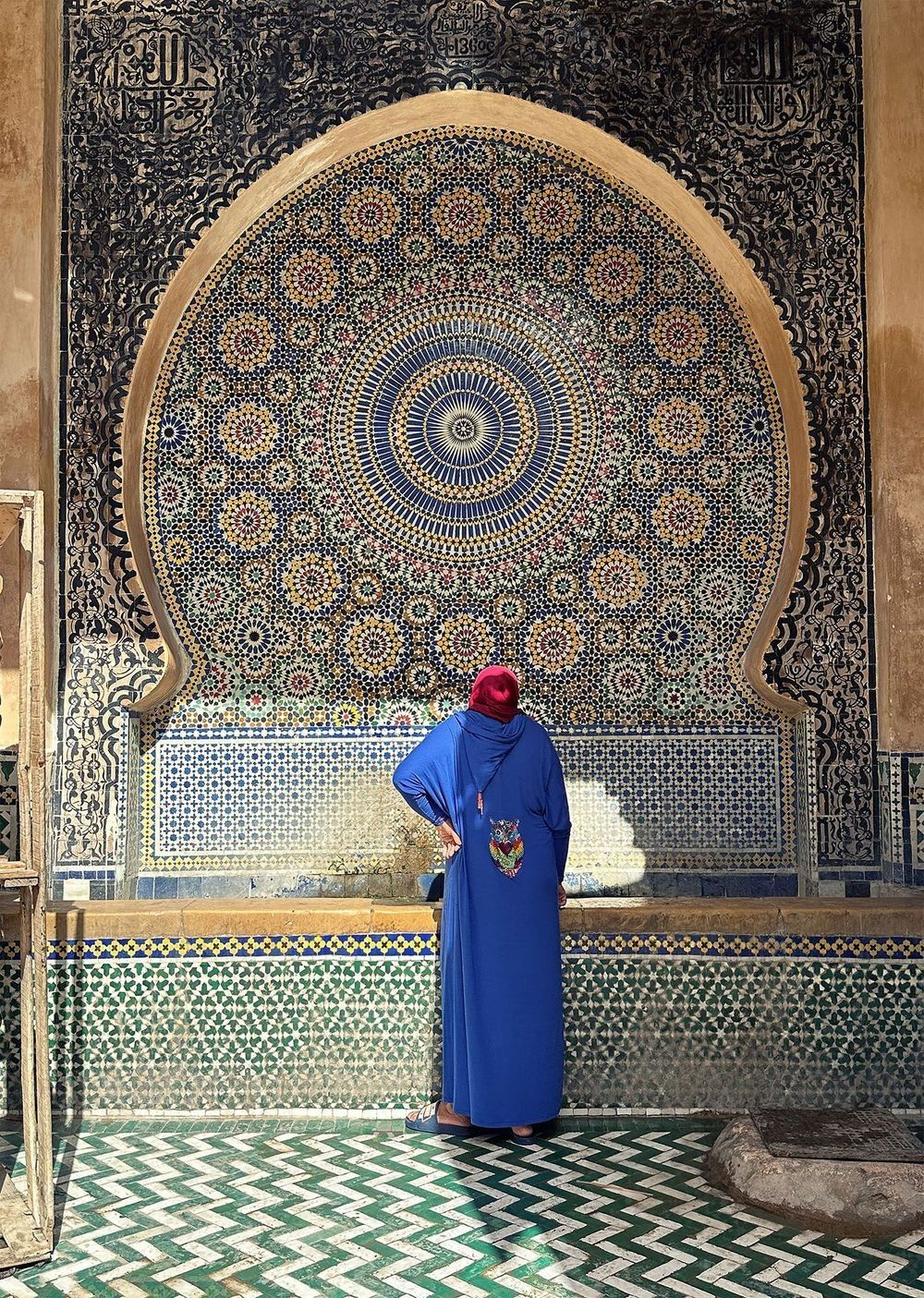
It may remind you of a journey, represent somewhere you dream of visiting, reveal a familiar place from an uncommon perspective, or provide a sense of escape whenever you enter the room.
If you are choosing among several similar photographs, compare them carefully and buy the one you continue thinking about. If you discover an image that speaks to you and offers a perspective you cannot find anywhere else, that uniqueness may answer the question for you.
Travel experiences do not last forever, but the way they make us feel can. The right photograph gives those memories, aspirations, and emotions a lasting physical presence.
It is worth buying because it is not simply something you look at. It is something you are willing to live with—and something that continues taking you somewhere every time you see it.
Explore Gate 58’s collection of fine art travel photography to find an image you would love to live with.
Happy Travels!